Export Packaging Type
Dried safflower is typically packaged in moisture-proof, airtight bags or boxes to ensure freshness and prevent degradation. Furthermore, along with bulk sizes such as 1kg or larger. In addition, this variety caters to both retail and wholesale markets, thereby making it accessible for all customers. As a result, consumers can easily find the right size to meet their needs.
Best Quality Crumbling Percentage
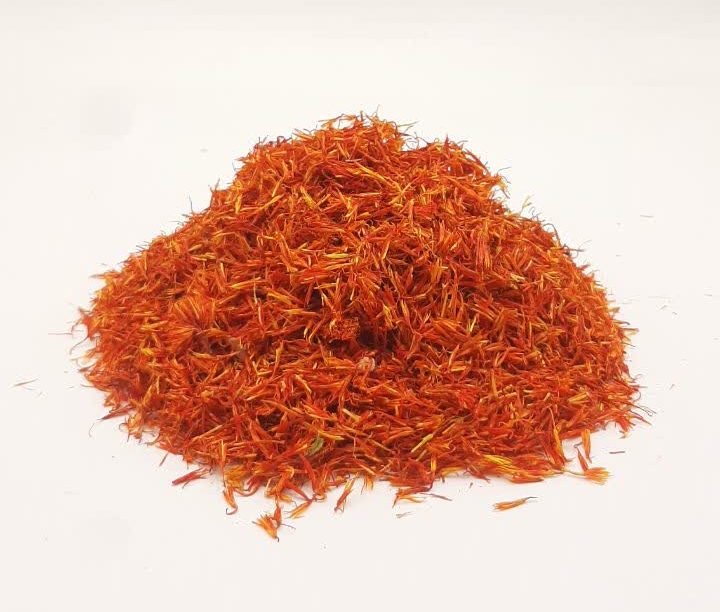
The best quality dried safflower petals have a crumbling percentage of less than 5%. This low percentage not only indicates high-quality petals but also ensures that they retain their structure and color. As a result, these petals are particularly suitable for both culinary and cosmetic applications.
Types of Dried Safflower
primarily categorized into:
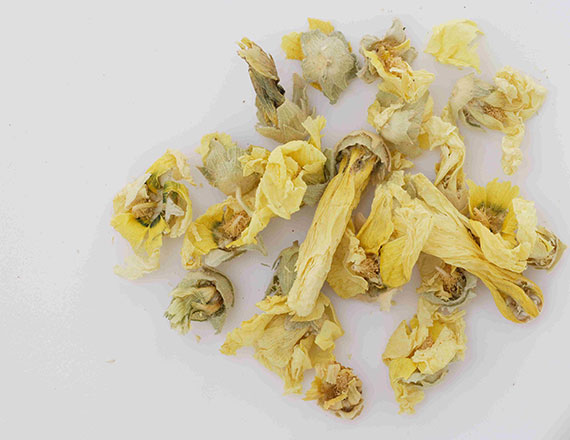
Whole Petals: Used for culinary purposes and as natural dyes.
Crushed Petals: Often used in herbal teas and as a colorant in cosmetics.
Origin City in Iran
This product is predominantly sourced from regions in Iran, particularly from cities like Yazd and Kerman. These areas are known for their ideal growing conditions.
General Information
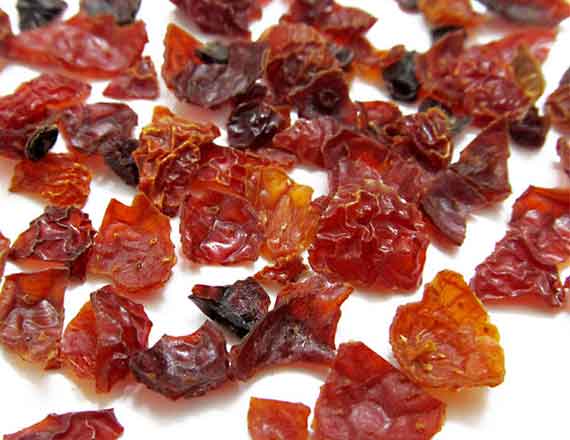
This product is recognized for its vibrant red and yellow petals, which are often used as a natural dye and in traditional medicine. Additionally, the petals are utilized in culinary dishes as a saffron substitute due to their excellent coloring properties. Historically, safflower has been cultivated since ancient times; consequently, its uses have ranged from dye production to food coloring. Thus, it has played a significant role in various cultural practices throughout history.
Technical Details
Nutritional Value (per 100g):
Energy: Approximately 300 kcal
Fiber: 25 g
Protein: 12 g
Technical Report |
Details |
| Crop Name | Safflower (Carthamus tinctorius) |
| Cultivation Duration | 110 to 140 days from seeding to maturity |
| Harvesting Timing | Ready for harvest when most leaves are brown and seeds rub freely from heads (approximately 35-40 days after peak flowering) |
| Moisture Content at Harvest | Should be 8% or lower for proper storage; ideally harvested at 12% moisture with aeration drying if conditions allow |
| Yield Potential | Varies by cultivar and growing conditions; average yields range from 1,600 to over 2,200 lbs per acre depending on environmental factors |
| Nutritional Composition (Seeds) | Oil content ranges from 30% to over 40%, depending on the cultivar and growing conditions |