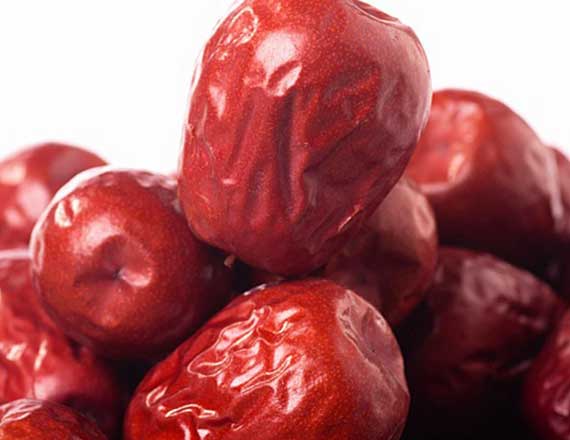
Product Overview
Common Uses: Producers primarily use dried hibiscus flowers to make herbal teas, jams, and jellies, while also utilizing them as natural colorants in food products. Moreover, consumers value these flowers for their high vitamin C content and potential health benefits.
Types of Dried Hibiscus
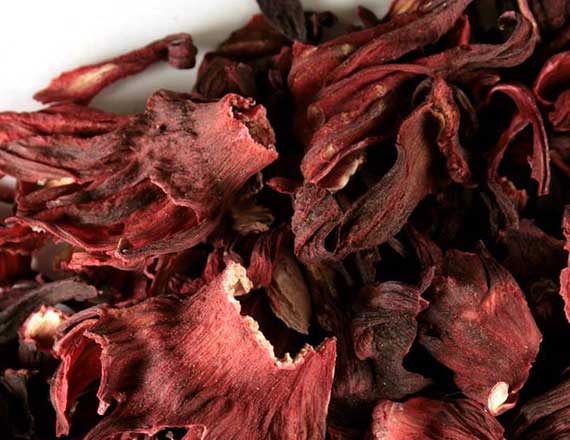
Whole Flowers: We use whole hibiscus flowers in teas and beverages.
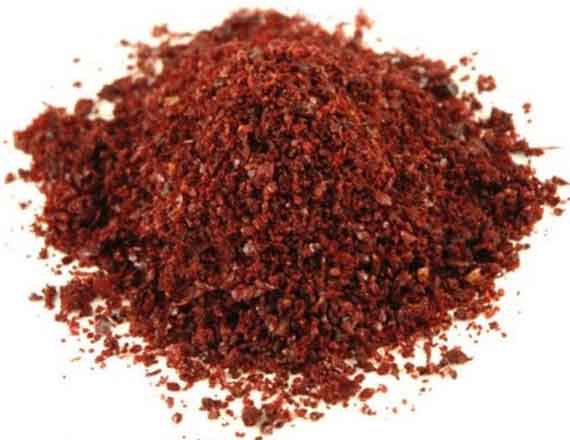
Sifted or Powdered Form: Bakers and cooks commonly use sifted or powdered hibiscus in their recipes.
Extracts: Manufacturers utilize hibiscus extracts in cosmetics and herbal remedies.
Packaging Specifications
Export Packaging
Common Packaging Sizes: We typically pack dried hibiscus in various sizes to meet market demands.
Packaging Materials: ImanMehr uses clean, non-reactive materials to prevent contamination and preserve quality. We prefer airtight containers to maintain freshness during transportation.
Labeling Requirements: We follow specific labeling requirements to ensure compliance with international standards.
Technical Specification: We provide detailed technical specifications to inform buyers about the product’s quality and characteristics.
Quality Parameters
Moisture Content: Producers typically maintain moisture content at less than 9% to ensure shelf stability.
Physical Properties: Dried hibiscus flowers feature a dark red color and possess a unique flavor profile.
Composition
The composition of this product can vary; however, suppliers generally include a high percentage of flower petals while minimizing the amount of stems or leaves. Specifically, these percentages often reach approximately 80% petals and 20% other plant material. As a result, this careful selection not only enhances the product’s quality but also ensures a rich flavor and vibrant color in the final product. Furthermore, this composition contributes to the overall appeal and effectiveness of dried hibiscus in various culinary applications.
Cultivation Regions in Iran
It is primarily cultivated in southern provinces of Iran such as:
Fars Province
Kerman Province
These regions provide the warm climate necessary for optimal growth of this product.